Find out who we are and what do we offer
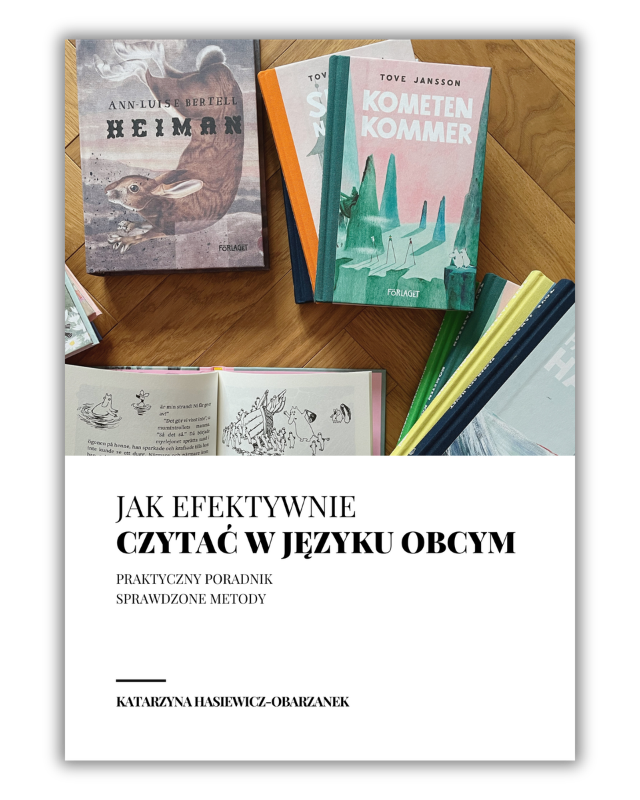
Both the Swedish language and its culture—and even its customs—are undoubtedly interesting and quite distinctive. Expanding our knowledge about another country contributes to our personal development. Likewise, reading books in a foreign language not only helps exercise our memory and expand our vocabulary but also develops our imagination. Various Swedish novels by renowned and respected authors offer many benefits. Remember that reading is one of the four skills (along with speaking, writing, and listening) that one must master to become proficient in a language. Reading is also a great way to broaden your vocabulary and absorb grammatical structures without resorting to rote memorization.
Learn What to Read in Swedish:
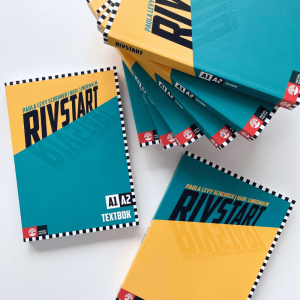
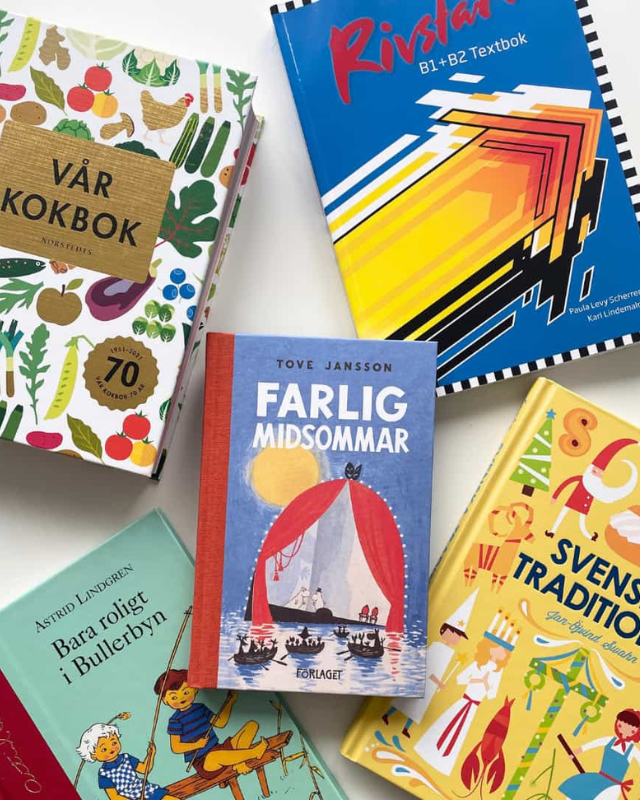
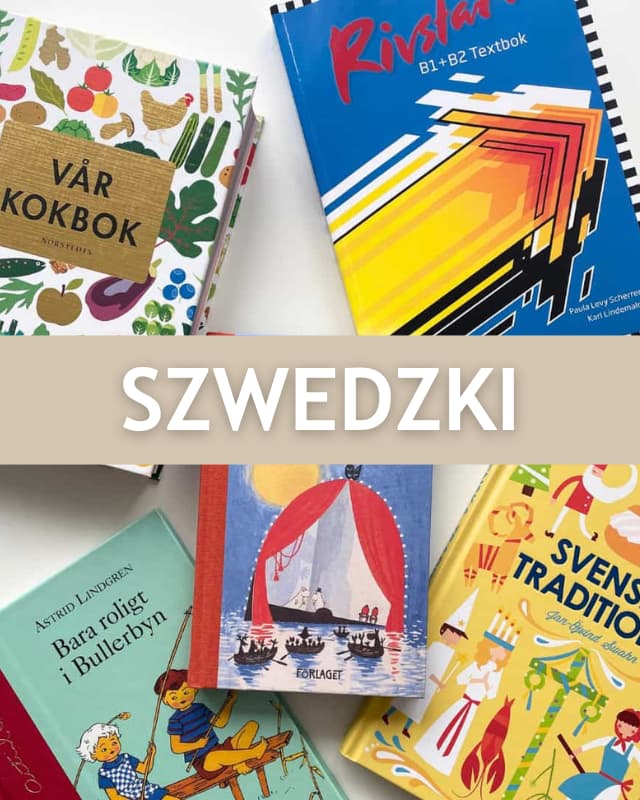
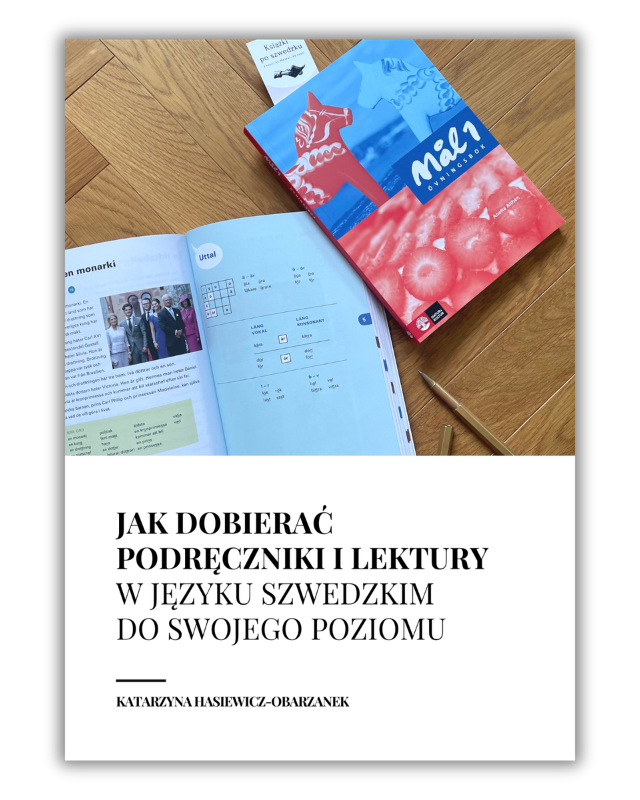
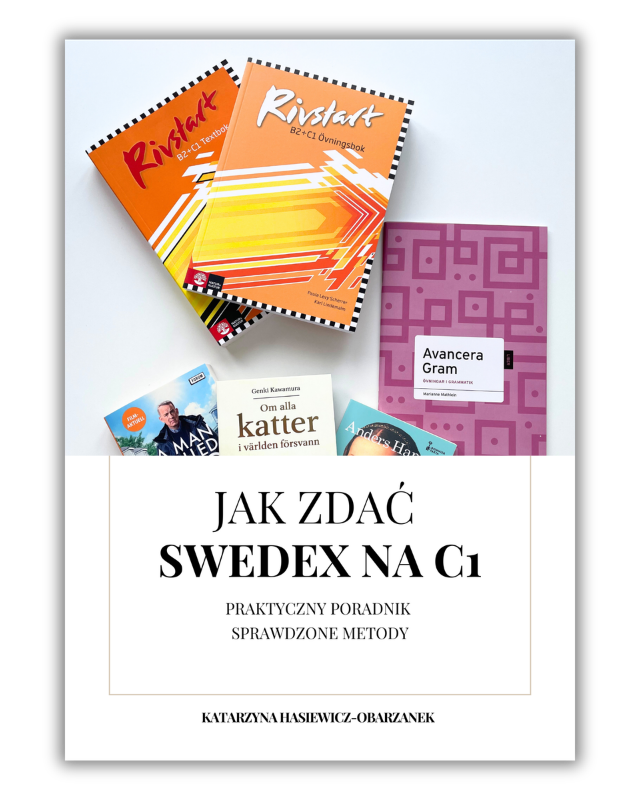
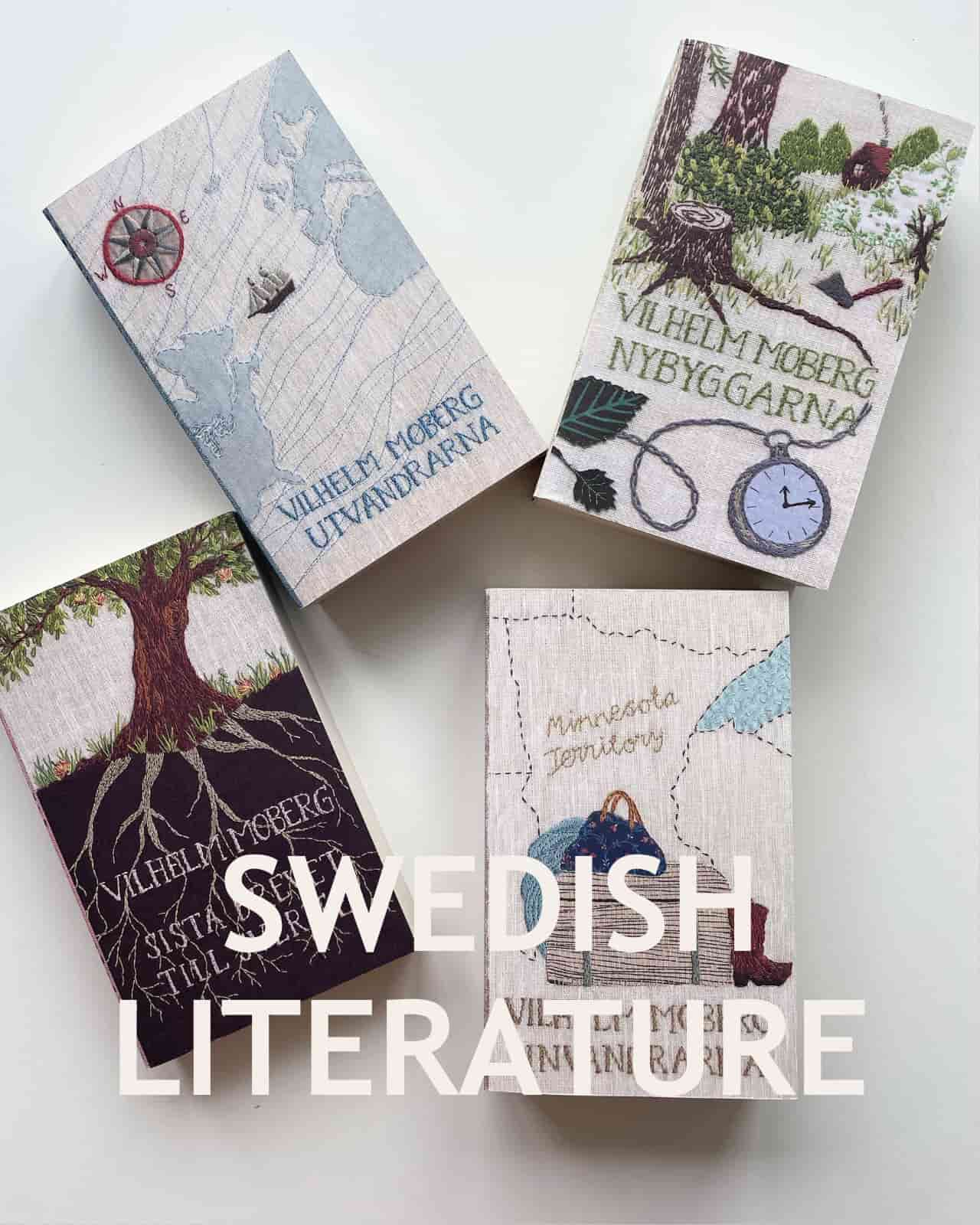
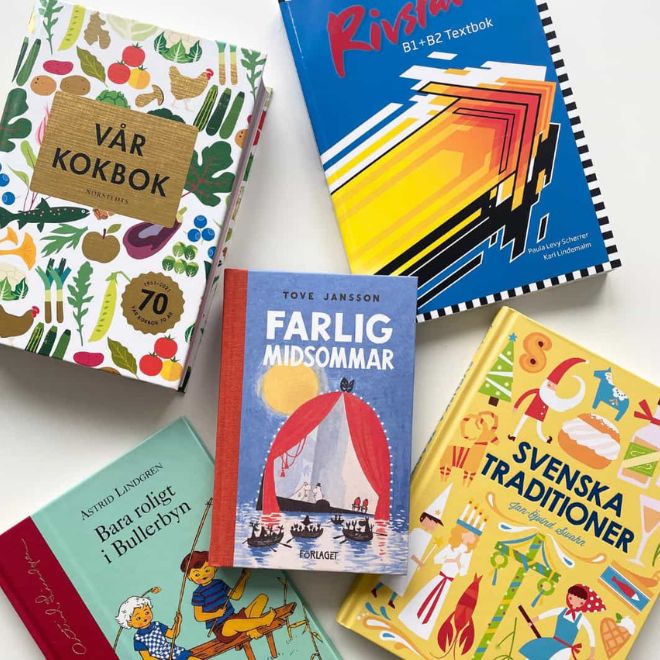
It is worth realizing that simply presenting a few facts about Sweden can show how much the local mentality supports young readers and takes their needs seriously. It is no coincidence that both Swedish-language books and books about Sweden are available on the market and are well-known in many other countries. Among the various Swedish books available on our website, you can choose not only from a variety of customs but also from Swedish crime novels, children's literature, textbooks for learning the Swedish language (for both adults and children), or even specific Swedish books written in simplified language—since, as we know, learning Swedish isn’t easy for everyone.
With such variety, undoubtedly everyone can find something that suits their individual needs and preferences. Moreover, these types of books can be an excellent gift for a loved one or even a friend who wants to learn Swedish, or who enjoys the Swedish language, culture, and customs. Let’s remember that interesting books about Sweden are not only written by Swedish authors. Although they understand their own country best, sometimes a bit of cultural distance can reveal even more. There’s no denying that Swedish literature is appreciated all over the world.
If you’re wondering which is the best book about Sweden, check out our selection and choose the one that appeals to you the most. Among our offerings, you can find Lättläst (easy-to-read texts), Swedish biographies, Swedish crime novels, Swedish for nurses, or Swedish literature for children. We warmly welcome you!
Learning Norwegian
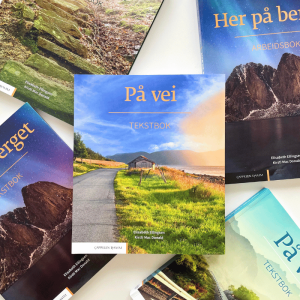
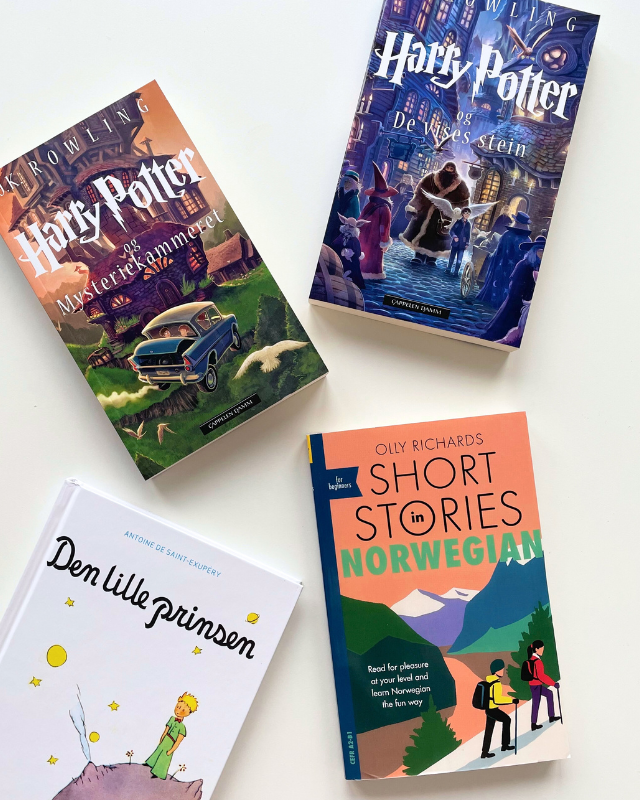
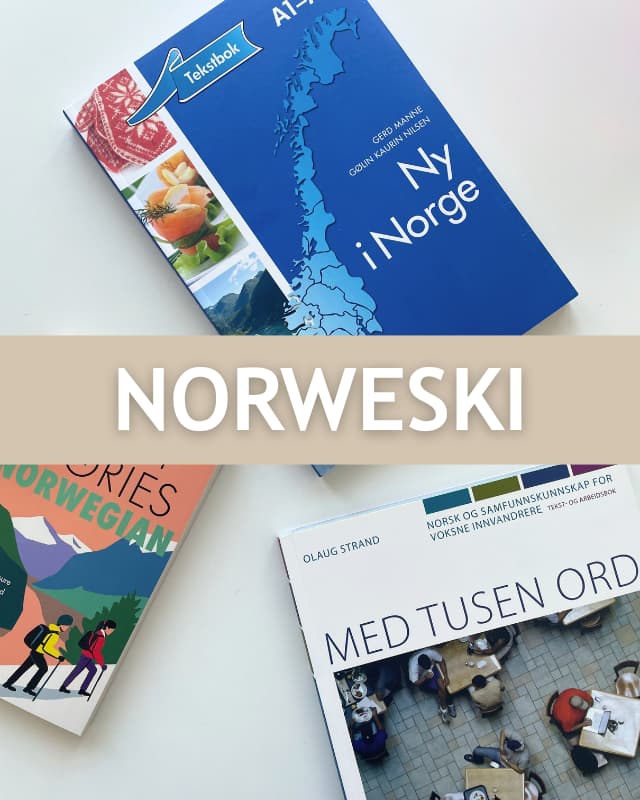
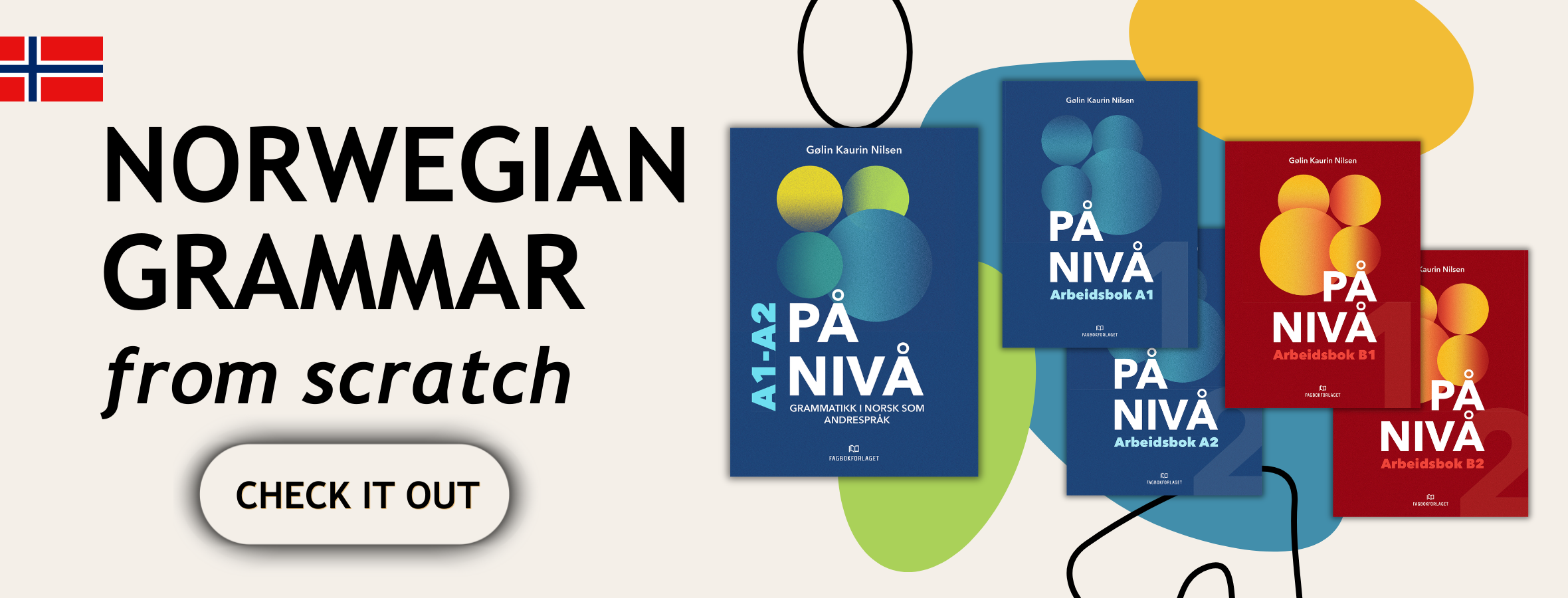
If your dream is to know the Norwegian language and learn how to speak it fluently, be sure to visit our website and the "Learning Norwegian" section. There you will find Norwegian textbooks, popular series with CDs, and materials available online. Additionally, to make your learning faster and more enjoyable, pick up books in Norwegian—in other words, Norwegian fiction. Reading in foreign languages significantly accelerates the acquisition of a new language, so start reading as soon as possible—even at an A2 level.
Learning Norwegian is becoming increasingly popular, especially among those planning trips to Norway or those interested in Scandinavian culture. Norwegian textbooks offer various approaches that facilitate language acquisition. It’s worth paying attention to materials that combine theory with practice, such as grammar exercises, listening to dialogues, or engaging in conversations.
When choosing a textbook, look for ones that contain up-to-date vocabulary and cultural contexts. This way, learning becomes not only effective but also enjoyable. Popular series, such as "På vei" and "Ny i Norge," are well-regarded among both beginners and advanced students.
Additionally, consider textbooks that offer access to online materials, such as audio recordings or interactive exercises. These resources help you practice pronunciation and listening, which are key to language learning. Investing in a good textbook is the first step toward fluent communication in Norwegian, opening the door to the fascinating world of Norway.
Learning Danish
Learning Danish is becoming increasingly popular, especially among those planning to live or work in Denmark, as well as among enthusiasts of Scandinavian culture. Danish textbooks offer various methods that help with acquiring grammar, vocabulary, and communication skills. It is essential to choose materials that combine theory with practice, such as pronunciation exercises or dialogues.
Textbooks like "På vej till dansk" and "Aktivt Dansk" offer an accessible approach to learning. Look for books that include up-to-date vocabulary and cultural contexts, which make learning more engaging. Additionally, Danish textbooks that provide access to online platforms with audio recordings and interactive exercises are extremely useful.
Investing in the right textbook is the first step toward fluent communication in Danish. With it, you can not only understand everyday speech but also delve into the rich culture of Denmark. Learning Danish opens doors to new opportunities and experiences in the heart of Scandinavia.
Coffee from Sweden
Scandinavian coffee, especially coffee from Sweden, is gaining increasing popularity worldwide. Swedes are known for their love of high-quality coffee, which gives their brew a unique character. In Sweden, coffee is not only a daily ritual but also an important part of social culture, often enjoyed during gatherings with friends or at family celebrations.
Swedish coffee is characterized by its delicate flavor and aroma, often prepared as filtered coffee. Various blends are popular, ranging from light, fruity notes to more intense, chocolate accents. Specialty coffees, which come from the best plantations and are carefully selected, guarantee the highest quality.
In our online store, we offer a wide selection of Swedish coffees, perfect for true coffee enthusiasts. With our carefully curated products, you can discover the unique taste of Scandinavia in every cup. Here, you will find brands such as Johan & Nyström and Drop Coffee. We invite you to purchase and experience Swedish coffee culture in your own home!
Swedish Tea
Tea, alongside coffee, is one of the most commonly consumed beverages in Scandinavian countries, where it gets dark quickly for much of the year and the weather is relatively cold. Every type of tea—black, green, white, or herbal—offers numerous health benefits and unique flavor experiences.
For example, green tea is valued for its antioxidant and anti-inflammatory properties. Regular consumption supports the immune system, improves metabolism, and may aid in weight loss. Black tea, on the other hand, is excellent for circulation, and herbal teas, such as mint or chamomile, help with relaxation and digestion.
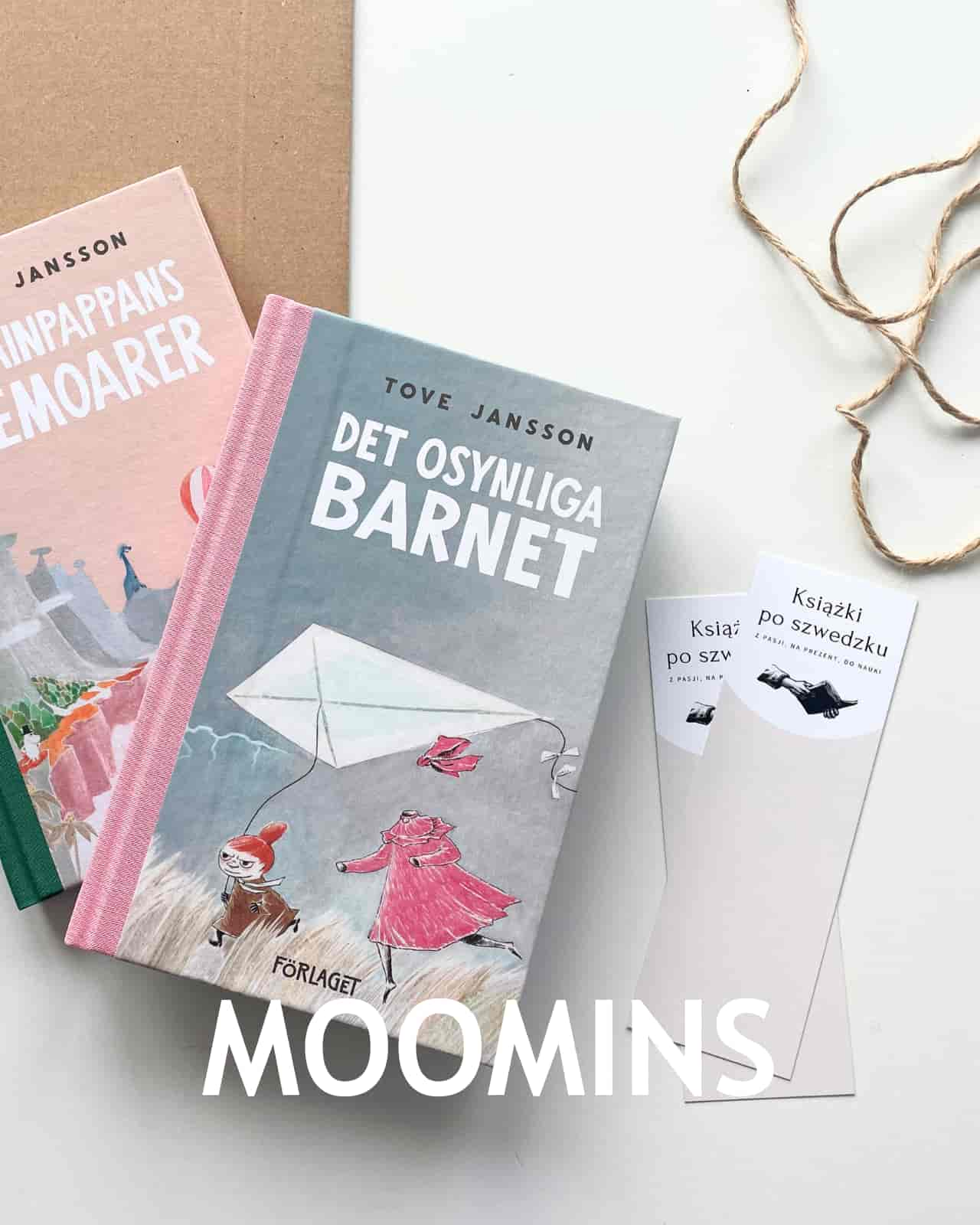
With us, you can purchase original teas from the brand Teministeriet, featuring graphics provided by Moomin Characters. Your favorite characters from Tove Jansson’s Moomin stories can now adorn your kitchen. Tea with Moomin Mom, Little My, or Snufkin makes a great gift for fans of the series and beyond! We sell teas in elegant tins that you can refill repeatedly with new varieties. Moomin tea is a worldwide hit and is now available in our store immediately. Check out our offer of tea from Sweden!





 - Ann-Charlotte Ekensten - Easy-to-read book in Swedish for beginners, Lättläst Level 1, A2., front cover")